
Break virtual barriers with a decentralized VPN
Mysterium isn’t your typical VPN. We use a decentralized, peer-to-peer network to give you greater privacy, transparency, and control.
- Built on Web3 technology.
- No single point of failure.
- Community-powered infrastructure.
Trusted by these leading brands






People-powered privacy is the future

Borrow a new online identity
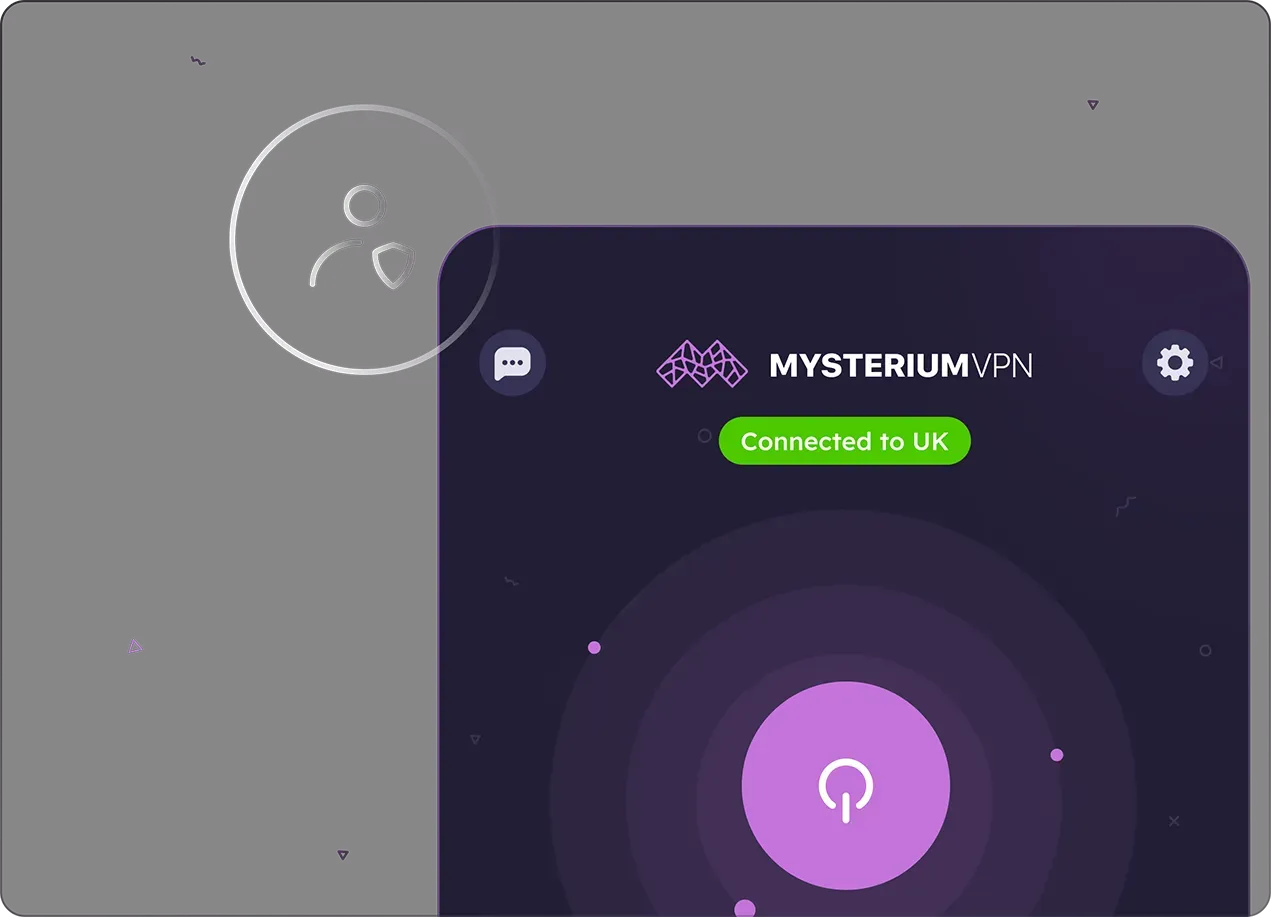
Mysterium is powered by a network of everyday people sharing their residential IP address, like the one you have at home. This makes your browsing highly discreet, because you appear like a real-world user. Regular VPNs use datacenter IPs that are routinely flagged or blocked.

Teleport anywhere virtually
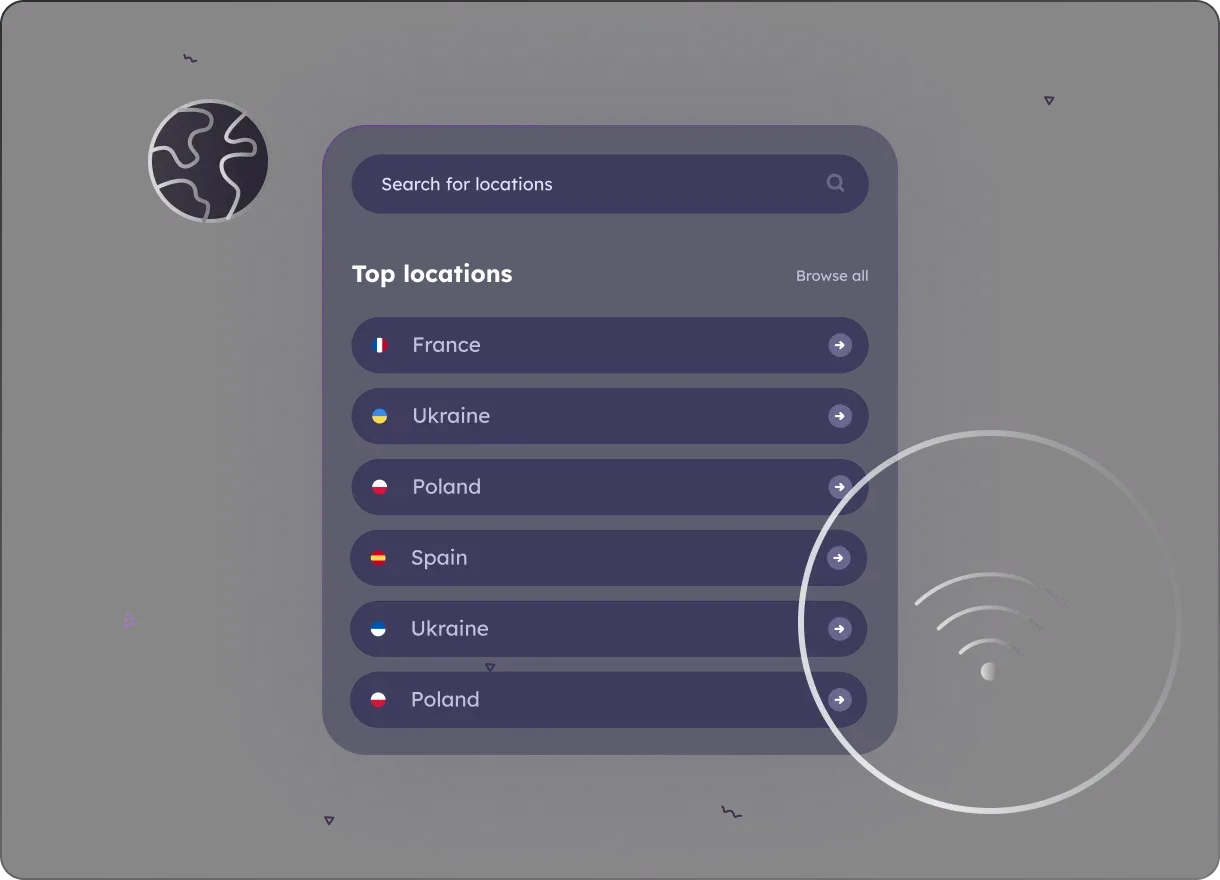
Experience the web as it should be. Access the local internet of over 135+ countries. Jump to another location in seconds and explore the web without boundaries, borders or limitations.


Your history is log-proof
When we say “no logs”, you don’t have to take our word for it. Our decentralized infrastructure means there’s nowhere to store data centrally - we're an empty vault. Regular VPNs make shady deals with 3rd party advertisers, secretly selling your logged browsing data.
100+ COUNTRIES
IN YOUR POCKET
Blend in anywhere. Residential IPs in 100+ countries make you look like a local, not a VPN user.

Features of a decentralized VPN
Loved by our community members.
What Our Community Says

— Aimar test update

— Corey A.

— Jay. S

— Mike Banta

— Saikiran

— Itsuku

— Jumper
— Ric
Frequently Asked Questions
What is a decentralized VPN?
A decentralized VPN (also known as dVPN or dPN) is a VPN that uses a distributed network of nodes instead of centralized servers. This means that a VPN functions on a peer-to-peer basis, with everyday web users running the nodes with their personal devices.
Is dVPN better than VPN?
Yes, since DPN is run by community members rather than traditional VPN, which use centralized servers that store information about a user's browsing history and activities. A compromised server will defeat the purpose of a VPN. With a decentralized VPN, there’s nowhere to store logs centrally.
What is key difference between dVPN and VPN?
The key difference is the fact that a regular VPN uses servers that are owned by VPN providers, which makes them all centralized. A dVPN, on the other hand, uses a distributed network of nodes run by community members instead of servers.
Can you tell if I'm using dVPN?
There is no way to tell if you are using a dVPN since this VPN type is powered by a peer-to-peer network, which is full of residential IP addresses that make you appear like organic users.